
The Hidden Yet Easily Preventable Causes of Downtime
When you hear the word downtime, what comes to mind? You might imagine a major storm, a power grid failure, a data breach or a sophisticated cyberattack. These are dramatic events, and while they do happen, they're not the most common reasons why work grinds to a halt.
In reality, downtime is rarely dramatic. It's usually something small and ordinary, the kind of issue that doesn't seem serious at first but still brings work to a standstill. These quiet problems are the ones most likely to disrupt your day.
Even a short interruption has an immediate impact on your bottom line. A single stalled project or a delayed decision can mean missed opportunities and frustrated customers. The cost isn't in the event itself, but in the time lost while your team waits for a solution.
What usually causes downtime?
Let's look at some of the most common everyday scenarios that actually disrupt business.
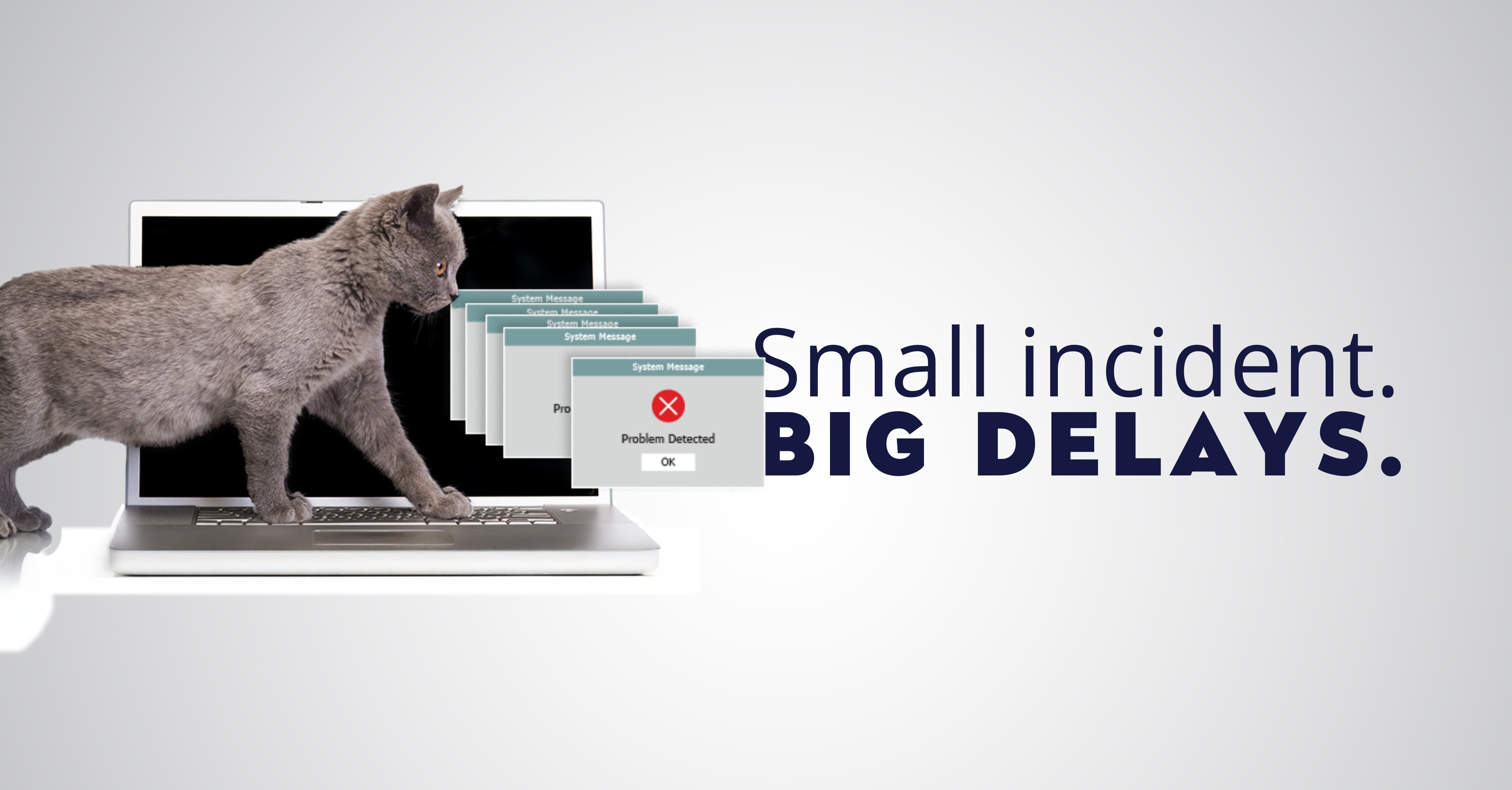
Common Downtime Scenarios
The coffee spill
It happens in an instant. A drink tips over onto a laptop. The screen flickers and goes dark. The device won't turn back on. Work stops immediately. The affected employee can't access their emails, project files or calendar. Colleagues pause as everyone figures out what to do next.
A single, simple accident can stall a person's entire contribution for a day or more if recovery is not fast. The problem isn't the spilled coffee. It's hours of productivity lost while managing the aftermath.
The accidental deletion
This is a quiet mistake. A crucial file is deleted, or different data is saved over the only good copy of the file. No one notices until the file is urgently needed for a client deliverable or an important report.
This transforms a small error into a significant delay. A task that should take minutes now consumes hours. This loss is entirely due to the difficulty of recovery, not the initial mistake.
The update that didn't go as planned
Routine maintenance is part of business. You apply a software update or a new security patch. It should be quick, but something goes wrong. An application behaves strangely or the system doesn't load properly.
A failed update isn't the real issue. The problem is when there's no quick path back to a working state, turning routine maintenance into extended downtime.
Aging equipment that finally gives up
Hardware doesn't last forever. Devices slow down and become less reliable. One day, the faithful computer or server that has been humming along for years kicks the bucket. The issue was predictable, but the timing never is.
Old equipment doesn't directly cause downtime; the slow recovery from its failure does. The delay is what hurts your business.
The common thread: Work stops while people wait
In every one of the above examples, the same results occur.
- People can't work.
- Decisions stall.
- Customers wait.
- Momentum is lost.
The longer it takes to recover, the greater the financial and reputational impact. Downtime is fundamentally a business problem, not a technology problem. The spilled coffee is part of life. The accidental deletion is human error. Updates and aging hardware are inevitabilities. The real question for your business is: What happens next?
Why fast recovery changes everything
The goal isn't to prevent every possible problem. That's impossible. Things will go wrong. The real goal is to get back to work quickly and predictably.
This isn't about fear or complex technology; it's about simple resilience. Fast recovery makes small problems forgettable. When you can restore a file in minutes or have an employee working on a new device in an hour, the incident fades into the background.
When recovery is fast:
- Work continues.
- Customers aren't impacted.
- Team stress stays low.
- You contain the cost of the incident to a minor hiccup rather than a major disruption.
Getting your team back to work matters infinitely more than what went wrong in the first place.
Make downtime a non-issue for your business
If you're not sure how quickly your business would recover from one of these everyday issues, let's talk.
Schedule a 10-minute discovery call to walk through what happens when something goes wrong and how to make getting back to work fast, predictable and stress-free.
Schedule Your Discovery Call